
Be first in line. join the waitlist →

Your Gut, Liver, and Estrogen: How They’re Connected

When we talk about estrogen, we tend to focus on the ovaries.

But producing estrogen is only part of the story. Your body also needs to transport it, metabolize it, and eventually eliminate it.

That’s where your liver and gut enter the picture.

What does the liver have to do with estrogen?

The liver helps break down and process estrogen into metabolites that can be removed from the body.

These processes involve several pathways and enzymes that work together as part of normal hormone metabolism.

You may have heard these described as the body’s detoxification pathways. While the term detox is often used loosely in wellness conversations, this is a real physiological process your body performs continuously.

Meet the estrobolome

Your gut is home to trillions of microorganisms, collectively known as the gut microbiome.

A subset of these microorganisms can influence estrogen metabolism. Researchers sometimes refer to this collection of microbes and their related functions as the estrobolome.

Certain gut bacteria produce an enzyme called beta-glucuronidase, which can release previously processed estrogen into a form that may be reabsorbed.

Scientists are investigating how the gut microbiome influences circulating estrogen levels and what that means for long-term health. It’s a promising area of research, although many questions remain.

Supporting a healthy gut

The good news? Many habits that support digestive health are also beneficial for overall metabolic health.

Eating fiber-rich foods, getting a variety of plant foods, staying hydrated, reducing intake of refined carbohydrates and sugar, and maintaining regular physical activity can all support normal digestive function.

If you’re struggling with persistent constipation, bloating, or digestive discomfort, it’s worth discussing with a healthcare professional rather than assuming hormones are the cause.

The takeaway

Your liver, gut, and endocrine system are connected in ways we’re still learning to understand.

Hormonal health isn’t just about how much estrogen your body makes. It’s also about what happens to that estrogen afterward.

Up next: Let’s look at how estrogen interacts with other hormone systems, including the thyroid, and what that can mean for reproductive health.

references
  1. Gore AC, et al. EDC-2: Endocrine Society’s Second Scientific Statement on Endocrine-Disrupting Chemicals. Endocr Rev. 2015. doi:10.1210/er.2015-1010
  2. Zierau O, et al. Role of female sex hormones, estradiol and progesterone, in mast cell behavior. Front Immunol. 2012. doi:10.3389/fimmu.2012.00169
  3. Wang HH, et al. Estrogen and cholesterol gallstone formation. Biochim Biophys Acta. 2009. doi:10.1016/j.bbalip.2009.06.006
  4. Bulun SE. Endometriosis. N Engl J Med. 2009. doi:10.1056/NEJMra0804690
  5. Bulun SE. Uterine fibroids. N Engl J Med. 2013. doi:10.1056/NEJMra1209993
  6. Gut microbial β-glucuronidases and the estrobolome. https://pmc.ncbi.nlm.nih.gov/articles/PMC6901331/
  7. Arafah BM. Increased need for thyroxine during estrogen therapy. N Engl J Med. 2001. doi:10.1056/NEJM200106073442302
  8. Egner PA, et al. Broccoli sprout beverage and airborne pollutant detoxication. Cancer Prev Res. 2014. doi:10.1158/1940-6207.CAPR-14-0103

‍

Continue Reading

Press
19.11.2026
/
0
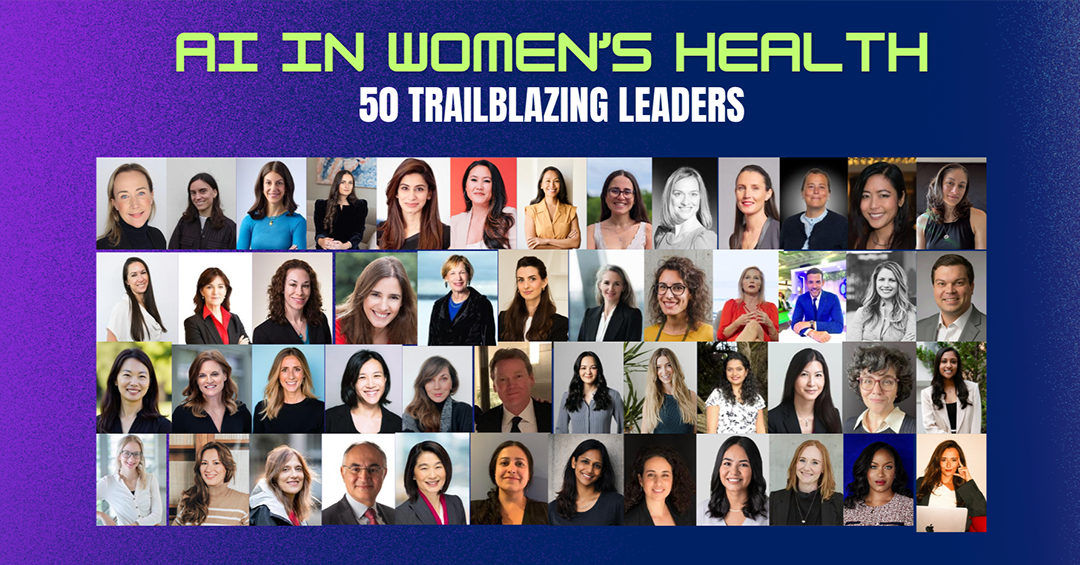
Qyn Labs Founder Shilpi Gupta Recognized Among 50 Trailblazing Leaders in AI in Women’s Health

We're proud to share that Qyn Labs founder and CEO Shilpi Gupta has been featured in Women of Wearables' 50 Trailblazing Leaders in AI in Women's Health.

Published on November 16, 2026, the list celebrates founders, clinicians, researchers, and industry leaders who are leveraging artificial intelligence to advance women's healthcare. Shilpi joins an inspiring group of innovators from organizations including Apple, Google, OpenAI, ŌURA, and Midi Health.

At Qyn Labs, we believe the future of AI in healthcare starts with better biological data. Under Shilpi's leadership, we're developing at-home, blood-based hormone monitoring that combines direct measurement with intelligent data interpretation to help women better understand their individual hormone patterns over time.

This recognition comes at an exciting moment for women's health, as more innovators are challenging longstanding gaps in research, data, and personalized care.

We're honored to be part of this movement and grateful to Women of Wearables for amplifying the voices helping shape what's next.

Explore the full list on Women of Wearables.

‍

Hormones
29.10.2026
/
0
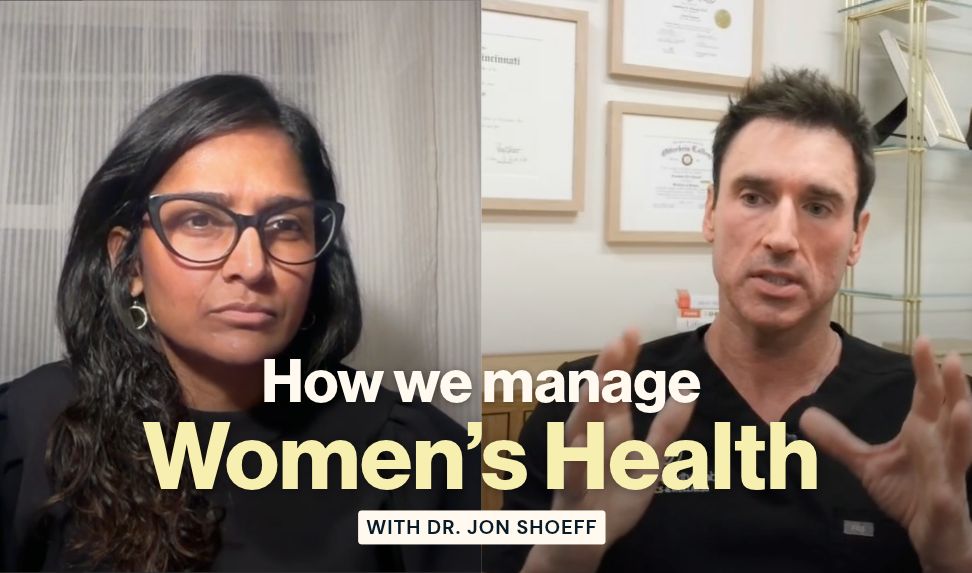
Beyond Symptoms: What's Missing From Women's Hormone Care? | Dr. Jon Schoeff

Hot flashes. Sleepless nights. Mood changes. For many women navigating hormonal changes, these symptoms become the starting point for treatment. But what if there's a bigger piece of the picture we're missing?

In this episode of On the Qynside, Qyn Labs founder and CEO Shilpi Gupta sits down with Dr. Jon Schoeff, surgeon and co-founder of The Longevity Lab, to explore a fundamental gap in women's healthcare: the lack of meaningful hormone data between doctor visits.

When Symptoms Tell Only Part of the Story

Today, hormone therapy is often guided by a combination of symptoms, clinical history, and occasional lab testing. But hormones are constantly changing, influenced by menstrual cycles, time of day, physiology, and other factors.

As Dr. Schoeff explains, the challenge isn't simply knowing whether a woman's hormone levels fall within a reference range. It's understanding what's happening in her body as an individual, and how those changes relate to how she feels.

For clinicians, that missing information can make personalized treatment particularly challenging.

The Opportunity in Better Data

Dr. Schoeff compares navigating healthcare without adequate data to trying to follow Google Maps without a working GPS. You may have a destination in mind, but without knowing where you are, it's difficult to determine the best route forward.

The same principle raises an interesting question for hormone health: What could we learn if we had a clearer picture of how hormone levels change over time?

More frequent monitoring could offer opportunities to explore relationships between hormonal fluctuations, symptoms, and other measures of health. But as Dr. Schoeff acknowledges, exactly how that information might improve treatment remains an open question.

And that's what makes this conversation so important.

A Different Way to Think About Hormone Health

At Qyn Labs, we're working toward a future where women have greater visibility into their hormone patterns through at-home, blood-based monitoring.

Because more data isn't necessarily the answer. Better understanding is.

Join Shilpi and Dr. Schoeff as they explore the questions that could shape the next chapter of women's hormonal healthcare.

Watch the full conversation below.

‍

Hormones
29.10.2026
/
0
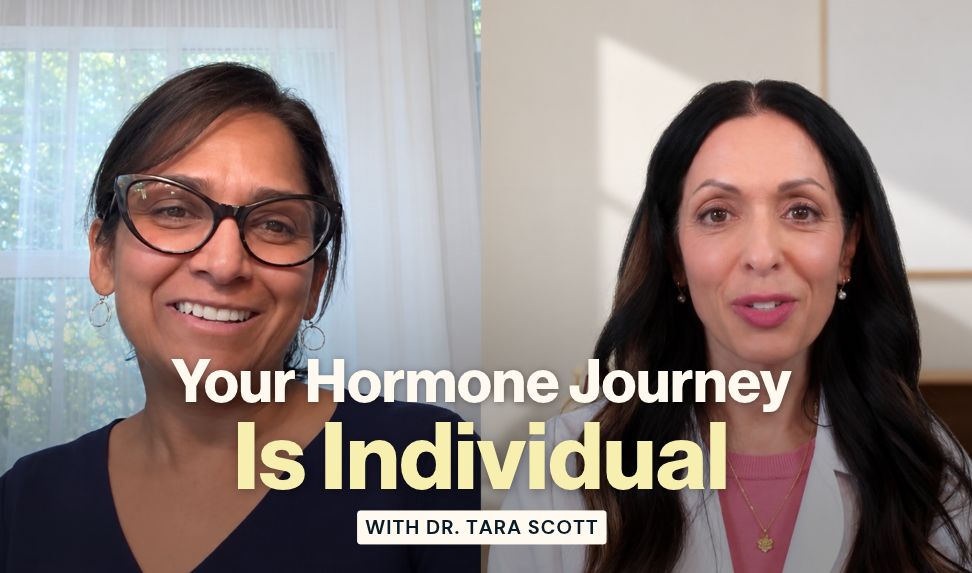
Why One Hormone Test Doesn't Tell the Whole Story | Dr. Tara Scott

You've been told your hormone levels are "normal." But what if one blood test isn't telling the whole story?

In the first episode of On the Qynside, Qyn Labs founder and CEO Shilpi Gupta sits down with Dr. Tara Scott, OB-GYN, certified menopause practitioner, and hormone health expert, to explore why hormone testing is more complicated than a single number.

Drawing on more than two decades of experience in hormone health, Dr. Scott shares why hormone fluctuations matter, how traditional testing can miss important context, and why understanding your individual patterns could help change the way we approach women's health.

In this episode, we explore:

  • Why "normal" hormone levels don't always tell the whole story
  • What a single hormone test can and can't reveal
  • The importance of understanding hormone fluctuations during perimenopause
  • Why personalized hormone data matters
  • The gaps in hormone education and women's healthcare
  • What's next for hormone monitoring

Your hormones change. Your understanding of them should, too.

‍

‍

🎥 Watch the full 9-minute conversation here: https://youtu.be/UWZo2Fe4dpQ