When we talk about estrogen, we tend to focus on the ovaries.
But producing estrogen is only part of the story. Your body also needs to transport it, metabolize it, and eventually eliminate it.
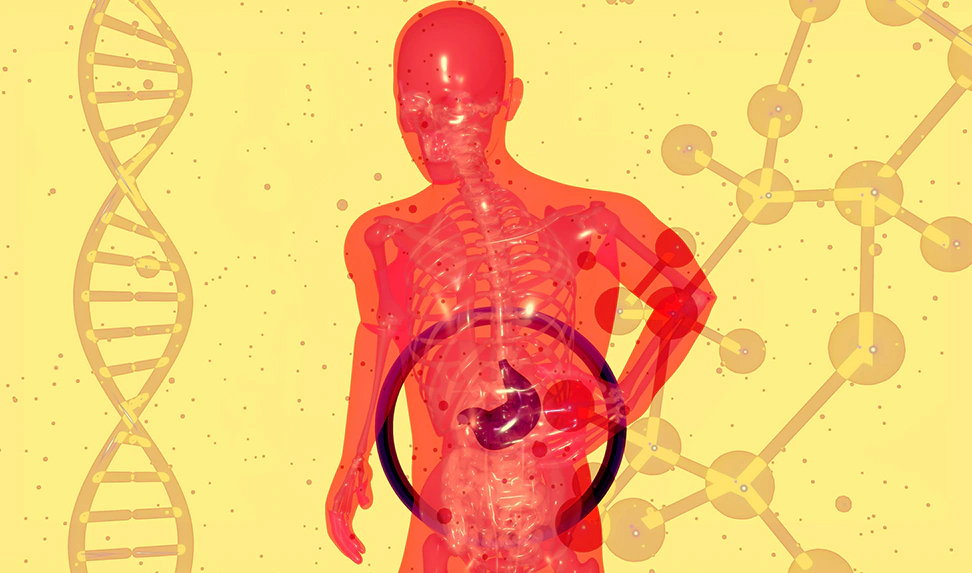
That’s where your liver and gut enter the picture.
What does the liver have to do with estrogen?
The liver helps break down and process estrogen into metabolites that can be removed from the body.
These processes involve several pathways and enzymes that work together as part of normal hormone metabolism.
You may have heard these described as the body’s detoxification pathways. While the term detox is often used loosely in wellness conversations, this is a real physiological process your body performs continuously.
Meet the estrobolome
Your gut is home to trillions of microorganisms, collectively known as the gut microbiome.
A subset of these microorganisms can influence estrogen metabolism. Researchers sometimes refer to this collection of microbes and their related functions as the estrobolome.
Certain gut bacteria produce an enzyme called beta-glucuronidase, which can release previously processed estrogen into a form that may be reabsorbed.
Scientists are investigating how the gut microbiome influences circulating estrogen levels and what that means for long-term health. It’s a promising area of research, although many questions remain.
Supporting a healthy gut
The good news? Many habits that support digestive health are also beneficial for overall metabolic health.
Eating fiber-rich foods, getting a variety of plant foods, staying hydrated, reducing intake of refined carbohydrates and sugar, and maintaining regular physical activity can all support normal digestive function.
If you’re struggling with persistent constipation, bloating, or digestive discomfort, it’s worth discussing with a healthcare professional rather than assuming hormones are the cause.
The takeaway
Your liver, gut, and endocrine system are connected in ways we’re still learning to understand.
Hormonal health isn’t just about how much estrogen your body makes. It’s also about what happens to that estrogen afterward.
Up next: Let’s look at how estrogen interacts with other hormone systems, including the thyroid, and what that can mean for reproductive health.