Be first in line. join the waitlist →

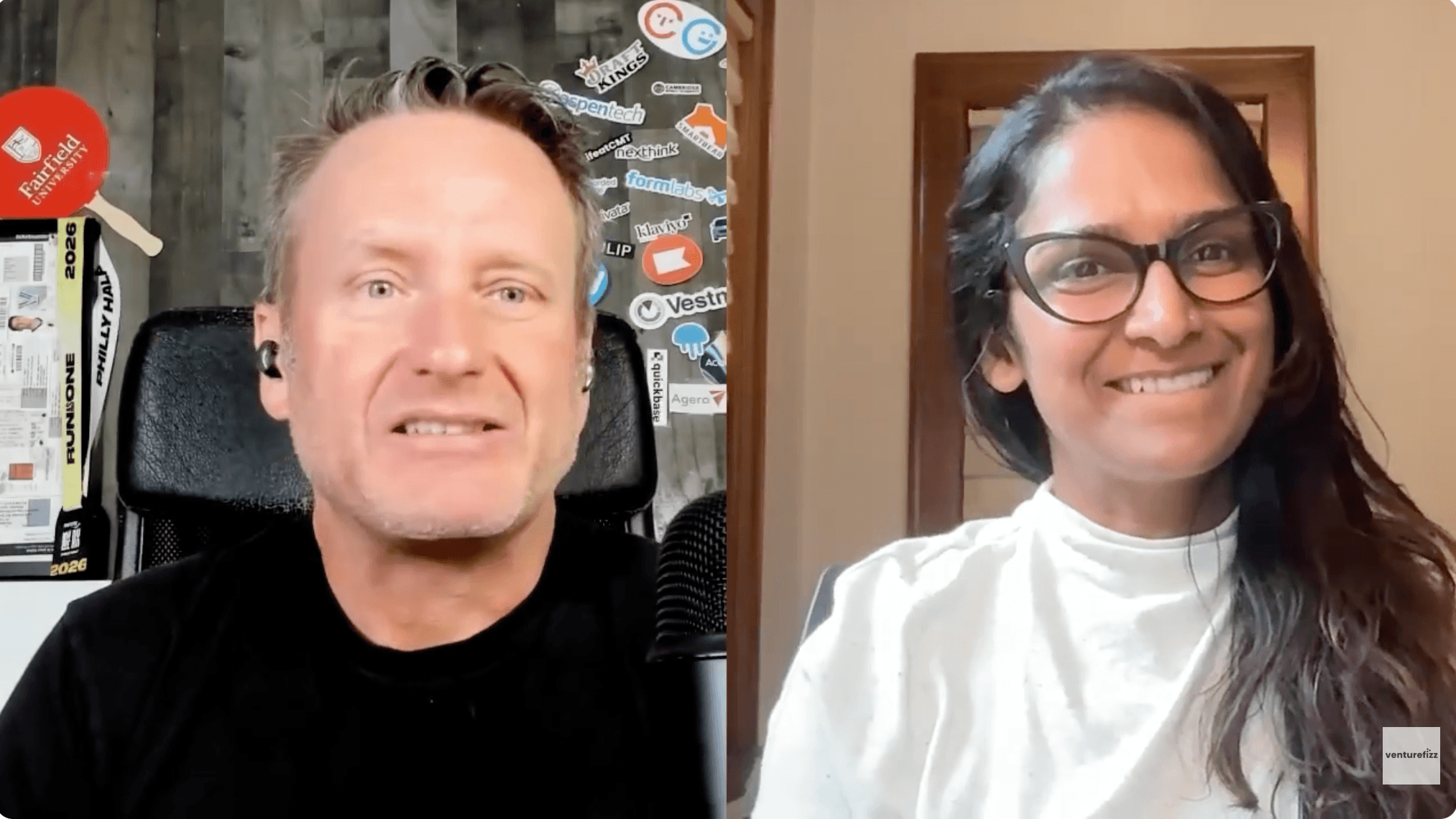
Shilpi Gupta on VentureFizz: The Story Behind Qyn

A split-screen view of a virtual video call featuring a man on the left speaking against a backdrop with logos and a ping pong paddle, and a smiling woman on the right wearing black cat-eye glasses and a white top.

Qyn began with a question our founder, Shilpi Gupta, couldn’t stop asking: why do we know so little about how our hormones are changing over time?

‍

In this conversation with Keith Cline on the VentureFizz Podcast, Shilpi shares the personal health experience that first led her to that question, along with the very different path that prepared her to try to solve it. From building robotics and complex consumer technology at iRobot and Amazon to working in healthtech, her career has consistently centered on making difficult systems more understandable and useful to people.

‍

The conversation gets into the story behind Qyn, why hormone data remains so fragmented and infrequent today, what it takes to build a new health technology from the ground up, and why Shilpi believes this is the right moment to rethink how we measure and understand hormonal health.

‍

Listen to the full conversation on VentureFizz →

‍

‍

Continue Reading

Hormones
29.10.2026
/
0
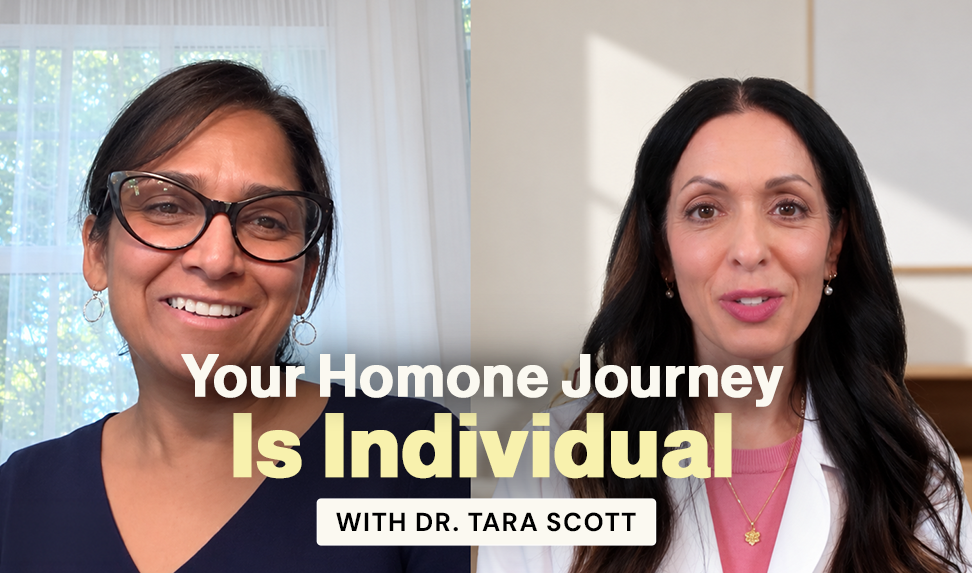
Why One Hormone Test Doesn't Tell the Whole Story | Dr. Tara Scott

You've been told your hormone levels are "normal." But what if one blood test isn't telling the whole story?

In the first episode of On the Qynside, Qyn Labs founder and CEO Shilpi Gupta sits down with Dr. Tara Scott, OB-GYN, certified menopause practitioner, and hormone health expert, to explore why hormone testing is more complicated than a single number.

Drawing on more than two decades of experience in hormone health, Dr. Scott shares why hormone fluctuations matter, how traditional testing can miss important context, and why understanding your individual patterns could help change the way we approach women's health.

In this episode, we explore:

  • Why "normal" hormone levels don't always tell the whole story
  • What a single hormone test can and can't reveal
  • The importance of understanding hormone fluctuations during perimenopause
  • Why personalized hormone data matters
  • The gaps in hormone education and women's healthcare
  • What's next for hormone monitoring

Your hormones change. Your understanding of them should, too.

‍

‍

🎥 Watch the full 9-minute conversation here: https://youtu.be/UWZo2Fe4dpQ

Hormones
10.11.2026
/
0
The Hidden Hormone Disruptors in Everyday Life

We usually think about hormones as something our bodies produce internally.

But our endocrine system can also be influenced by substances in the world around us.

Some are known as endocrine-disrupting chemicals, or EDCs.

What are endocrine disruptors?

EDCs are substances that can interfere with the body’s hormonal signaling.

Some can mimic the activity of naturally occurring hormones, including estrogen. Others may block hormone receptors or alter how hormones are produced, transported, or broken down.

Chemicals with estrogen-like activity are sometimes called xenoestrogens.

Researchers have identified potential endocrine-disrupting substances in everyday products, including certain plastics, pesticides, cosmetics, fragrances, and household materials.

Does exposure mean your hormones are imbalanced?

Not necessarily.

Scientists continue to investigate how different chemicals affect human health, including the importance of exposure levels, timing, duration, and individual susceptibility.

There is evidence linking some endocrine-disrupting chemicals with reproductive and metabolic health concerns. But it’s an oversimplification to assume everyday chemical exposure is the explanation for common hormonal symptoms.

Small changes that can reduce exposure

You don’t need to replace everything in your home overnight. Consider a few practical swaps:

  • Store and reheat food in glass or other food-safe containers instead of heating it in plastic.
  • Reduce unnecessary fragrance exposure where practical.
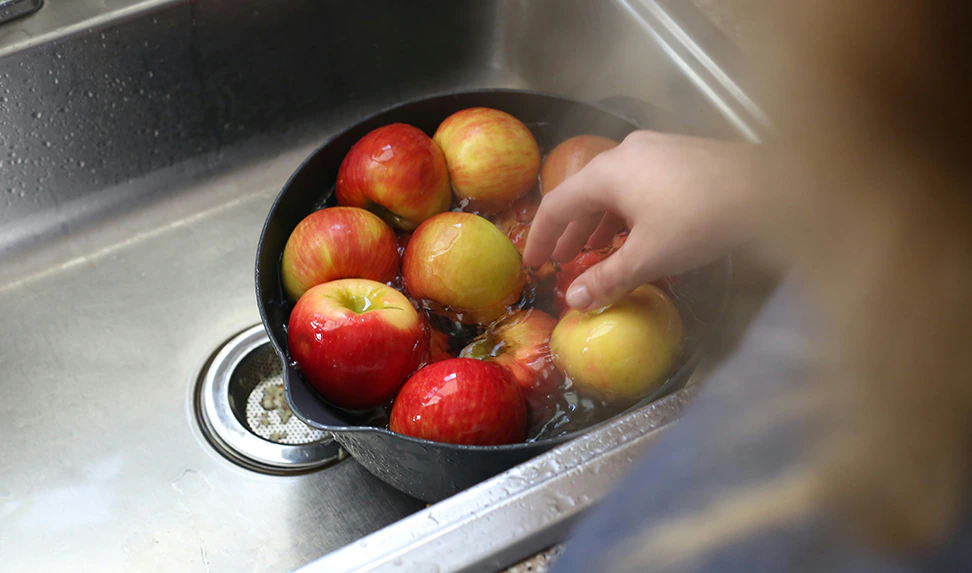
  • Wash fresh produce thoroughly.
  • Choose personal care and household products with ingredient information you’re comfortable with.

These steps won’t guarantee better hormone levels, but they can help reduce exposure to certain substances.

Knowledge, not fear

Understanding environmental influences is one part of understanding hormonal health.

And it’s worth remembering that hormones are affected by far more than what we put on our skin or store our food in.

Our internal systems play an important role, too.

Hormones
03.11.2026
/
0
Heavy Periods, Mood Swings, and Bloating: Could Hormones Be Involved?

Maybe it’s the week before your period when your mood feels unpredictable. Or the bloating that seems to arrive out of nowhere. Perhaps your periods have become heavier, your breasts feel unusually tender, or your sleep isn’t what it used to be.

These experiences are common. But that doesn’t mean you have to ignore them.

The symptoms worth paying attention to

Changes in estrogen, progesterone, and other hormones can influence how you feel throughout your cycle.

Some of the symptoms women report include:

  • Menstrual changes: Heavier periods, stronger cramps, irregular cycles, and breast tenderness.
  • Mood changes: Irritability, anxiety, emotional sensitivity, or mood swings.
  • Physical changes: Bloating, fluid retention, headaches, and fatigue.
  • Skin changes: Breakouts or changes in skin sensitivity.
  • Sleep changes: Difficulty falling asleep or staying asleep, particularly around hormonal transitions.

These symptoms aren’t specific to one hormonal imbalance. Stress, thyroid conditions, medications, and other health factors can produce similar experiences.

Look for patterns, not isolated symptoms

One of the most useful things you can do is start paying attention to when symptoms appear.

Do headaches consistently arrive before your period? Does your sleep change at certain points in your cycle? Have your periods become progressively heavier?

Try tracking your symptoms for one or two full cycles, including your mood, sleep, digestion, menstrual flow, and physical changes.

Patterns may begin to emerge that aren’t obvious day to day.

When should you investigate?

Symptoms that persist, worsen, or interfere with daily life deserve attention.

Heavy bleeding, particularly bleeding that lasts more than seven days or soaks through menstrual products hourly, should be discussed with a healthcare professional.

The goal isn’t to self-diagnose every symptom. It’s to build a clearer picture of what’s happening in your body.